YOUR CHOICE FOR TREATMNENT OF TMJ DYSFUNCTIONS IN THE WAIKATO REGION
Our Services
Dry Needling

Advanced Dry Needling for TMJ Dysfunction
Advanced Dry Needling is a targeted treatment approach used to address muscular components of Temporomandibular Joint Dysfunction (TMJD). By treating overactive muscles, trigger points, and dysfunctional movement patterns around the jaw, face, head, and neck, dry needling may help reduce pain, improve jaw mobility, and restore more comfortable function.
Common treatment areas may include the masseter, temporalis, medial and lateral pterygoids, digastric, sternocleidomastoid, and upper cervical musculature—all of which can contribute to jaw pain and dysfunction.
Potential benefits of Advanced Dry Needling for TMJ dysfunction include:
• Reduced jaw, facial, and temple pain
• Improved mouth opening and jaw movement
• Reduced muscle tension and jaw clenching
• Decreased frequency and intensity of headaches associated with TMJ dysfunction
• Reduced referred pain into the teeth, ear, face, and neck
• Improved chewing comfort and speaking function
• Enhanced effectiveness of rehabilitation exercises and manual therapy
At Hamilton TMJ Solutions, dry needling is rarely used in isolation. It is integrated with a comprehensive assessment, manual therapy, joint mobilisation, exercise rehabilitation, and movement retraining to address the underlying factors contributing to TMJ dysfunction.
Joint Mobilisation

TMJ Joint Mobilisation for TMJ Dysfunction
TMJ Joint Mobilisation is a specialised manual therapy technique designed to improve the movement and function of the temporomandibular joint (TMJ). When the jaw joint becomes restricted, irritated, or loses its normal movement patterns, everyday activities such as eating, speaking, yawning, and even sleeping can become uncomfortable.
Using precise hands-on techniques, joint mobilisation aims to restore normal joint mechanics, improve movement quality, and reduce pain associated with TMJ dysfunction.
Potential benefits of TMJ Joint Mobilisation include:
• Improved jaw opening and closing movement
• Reduced jaw stiffness and restriction
• Decreased clicking, catching, or locking sensations (where appropriate)
• Reduced pain within the jaw joint and surrounding tissues
• Improved chewing, speaking, and functional jaw use
• Reduced strain on overactive jaw muscles
• Improved symmetry and coordination of jaw movement
• Enhanced effectiveness of exercise rehabilitation and self-management strategies
The temporomandibular joint is one of the most complex joints in the body, requiring precise coordination between joint movement, muscles, ligaments, and the articular disc. At Hamilton TMJ Solutions, joint mobilisation is delivered following a comprehensive assessment to determine the specific movement restrictions contributing to your symptoms.
TMJ Joint Mobilisation is often combined with manual therapy, advanced dry needling, laser therapy, muscle energy techniques, and targeted exercises to achieve the best possible outcome and support long-term improvements in jaw function.
Electrotherapy

Dolphin Neurostim® Therapy for TMJ Dysfunction
Dolphin Neurostim® Therapy is a gentle, non-invasive treatment that combines microcurrent stimulation with acupuncture point therapy to help reduce pain, calm irritated tissues, and improve function. The Dolphin Neurostim device delivers a low-level electrical current through a handheld probe, targeting specific acupuncture and trigger points associated with jaw pain and dysfunction.
For individuals experiencing Temporomandibular Joint Dysfunction (TMJD), Dolphin Neurostim Therapy may help regulate pain signals, reduce muscle tension, and support the body's natural healing mechanisms without the use of needles.
Potential benefits of Dolphin Neurostim Therapy for TMJ dysfunction include:
• Reduced jaw, facial, and temple pain
• Decreased muscle tension and jaw clenching
• Reduced headache symptoms associated with TMJ dysfunction
• Improved relaxation of overactive jaw muscles
• Reduced sensitivity in irritated nerves and tissues
• Improved jaw comfort during chewing and speaking
• Enhanced recovery following manual therapy or dry needling treatments
• Gentle treatment option for patients who prefer not to have needles
The jaw is influenced by a complex interaction between muscles, joints, nerves, and the nervous system. Dolphin Neurostim Therapy aims to support these systems by stimulating key treatment points that may help reduce pain and restore more comfortable movement.
At Hamilton TMJ Solutions, Dolphin Neurostim Therapy is often integrated with advanced dry needling, manual therapy, joint mobilisation, laser therapy, and corrective exercises to provide a comprehensive approach to TMJ rehabilitation.
Laser Therapy

LightForce® XPi High-Intensity Laser Therapy for TMJ Dysfunction
LightForce® XPi High-Intensity Laser Therapy (HILT) is an advanced treatment that uses specific wavelengths of light energy to stimulate tissue healing, reduce pain, and decrease inflammation. Unlike traditional low-level laser devices, the LightForce XPi delivers significantly higher therapeutic power, allowing treatment energy to reach deeper tissues more efficiently.
For individuals experiencing Temporomandibular Joint Dysfunction (TMJD), laser therapy can be used to target the jaw joint, surrounding muscles, tendons, and connective tissues that contribute to pain and restricted movement.
Potential benefits of LightForce® XPi Laser Therapy for TMJ dysfunction include:
• Reduced jaw joint and facial pain
• Decreased inflammation within irritated tissues
• Reduced muscle tension and protective guarding
• Improved jaw movement and function
• Enhanced tissue healing and recovery
• Reduced headache symptoms associated with TMJ dysfunction
• Improved comfort during chewing, speaking, and yawning
• Accelerated recovery when combined with other therapies
High-Intensity Laser Therapy works by delivering photobiomodulation to targeted tissues. This process may help improve cellular energy production, increase circulation, reduce inflammatory processes, and support the body's natural healing response.
Treatment is comfortable, non-invasive, and typically requires no downtime. Many patients report a warming sensation during treatment and experience improvements in pain and function as part of their rehabilitation program.
At Hamilton TMJ Solutions, LightForce® XPi Laser Therapy is often integrated with joint mobilisation, trigger point therapy, advanced dry needling, Dolphin Neurostim® Therapy, and corrective exercise to provide a comprehensive approach to managing TMJ dysfunction.
Exercise Rehabilitation

Exercise Rehabilitation for TMJ Dysfunction
Exercise Rehabilitation is a vital component of long-term recovery from Temporomandibular Joint Dysfunction (TMJD). While hands-on therapies can help reduce pain, improve mobility, and restore function, targeted exercises help reinforce these improvements and build lasting changes in jaw movement, muscle control, and joint stability.
TMJ dysfunction often involves altered movement patterns, muscle imbalances, poor coordination, postural influences, and reduced tolerance to normal jaw activities. Exercise rehabilitation aims to address these factors by retraining how the jaw, neck, and surrounding muscles work together.
Potential benefits of Exercise Rehabilitation for TMJ dysfunction include:
• Improved jaw mobility and movement control
• Reduced jaw pain and muscle tension
• Improved coordination of jaw opening and closing
• Reduced clicking, catching, or deviation during movement (where appropriate)
• Increased tolerance to chewing, speaking, and daily activities
• Improved posture and neck function that may contribute to TMJ symptoms
• Reduced jaw clenching and parafunctional habits
• Enhanced long-term treatment outcomes and symptom management
Exercise programs may include jaw mobility exercises, motor control retraining, tongue positioning techniques, cervical spine exercises, postural correction strategies, breathing exercises, and progressive strengthening where appropriate.
At Hamilton TMJ Solutions, rehabilitation exercises are individually prescribed based on your assessment findings. The goal is not simply to provide generic exercises, but to identify the specific movement limitations and contributing factors unique to your presentation.
Exercise Rehabilitation is often combined with joint mobilisation, trigger point therapy, advanced dry needling, Dolphin Neurostim® Therapy, and LightForce® XPi Laser Therapy to create a comprehensive treatment plan that addresses both symptoms and underlying causes of TMJ dysfunction.
Trigger Point Release
Trigger Point Release for TMJ Dysfunction
Trigger Point Release is a specialised manual therapy technique used to reduce muscle tension, relieve pain, and restore normal function in the muscles that influence jaw movement. Many individuals with Temporomandibular Joint Dysfunction (TMJD) develop tight, overactive muscles and trigger points within the jaw, face, head, and neck that can contribute significantly to pain and dysfunction.
Trigger points are sensitive areas within muscle tissue that may cause local pain, restricted movement, or referred pain into other regions. In TMJ dysfunction, these referral patterns can often mimic tooth pain, ear pain, headaches, facial pain, sinus pressure, or neck discomfort.
Using precise hands-on techniques, Trigger Point Release aims to reduce muscle tension, improve blood flow, and restore more normal muscle function.
Potential benefits of Trigger Point Release for TMJ dysfunction include:
• Reduced jaw, facial, and temple pain
• Decreased muscle tension and jaw clenching
• Improved mouth opening and jaw movement
• Reduced headache symptoms associated with TMJ dysfunction
• Relief of referred pain into the teeth, ear, face, and neck
• Improved chewing comfort and speaking function
• Reduced strain on the jaw joint and surrounding tissues
• Enhanced relaxation and reduced muscle guarding
Common treatment areas may include the masseter, temporalis, medial and lateral pterygoids, digastric, sternocleidomastoid, upper trapezius, and suboccipital muscles, depending on the individual's presentation.
At Hamilton TMJ Solutions, Trigger Point Release forms part of a comprehensive treatment approach that may also include joint mobilisation, advanced dry needling, Dolphin Neurostim® Therapy, laser therapy, corrective exercise, and movement retraining to address the underlying drivers of TMJ dysfunction.
Initial Assessment & Treatment
60 Min Appointment - $220
This comprehensive consultation combines detailed clinical assessment with hands-on treatment to identify and address the factors contributing to your TMJ dysfunction. Following a thorough evaluation of jaw movement, muscle function, pain patterns, and associated structures, a personalised treatment plan is implemented using evidence-informed techniques designed to reduce pain, restore function, and support long-term improvement.


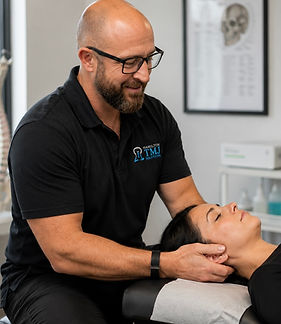
Follow Up Assessment & Treatment
45 Min Appointment - $160
This focused treatment session reviews your progress, reassesses jaw function and symptoms, and provides targeted care to continue addressing the factors contributing to your TMJ dysfunction. Treatment is tailored to your current presentation and may include a combination of evidence-informed techniques designed to optimise jaw movement, reduce pain, improve function, and support long-term recovery.